How to Teach Preschoolers to Read: Gentle, Playful Methods for Ages 3-5
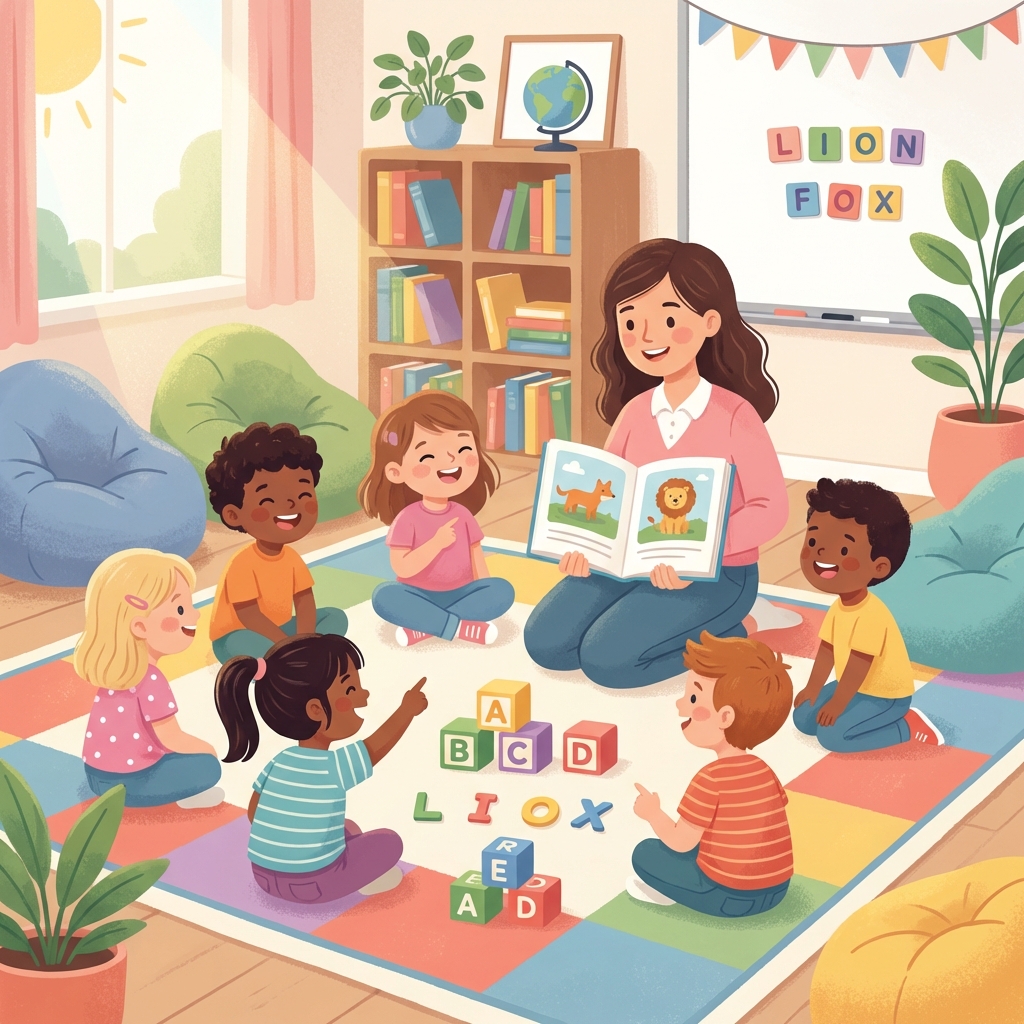
Can preschoolers really learn to read? The short answer is: some can, and many can build the foundation for reading. But here's the key—it has to be playful, pressure-free, and developmentally appropriate. A 4-year-old who feels stressed about reading is worse off than one who never tried.
This guide will show you how to introduce pre-reading skills to preschoolers without flashcard drills or tears. By the end, you'll have a toolkit of activities that make learning feel like play.
What 'Reading Readiness' Really Means
Before formal reading instruction begins, children need certain skills in place. These are the building blocks:
- Print Awareness: They understand that those squiggles on a page mean something.
- Book Handling: They know how to hold a book and turn pages.
- Phonological Awareness: They can hear rhymes, syllables, and sounds in words.
- Letter Recognition: They can name some letters and maybe their sounds.
- Vocabulary: They have enough words to understand what they'll read.
Your goal with preschoolers is to build these blocks, not to push full reading too early.
The Best Age to Start
Every child is different. Some 3-year-olds are ready to learn letter sounds. Some 5-year-olds need more time with oral language first. Watch for signs of readiness:
- They show interest in letters and words.
- They can sit for a short story.
- They can hear and produce rhymes.
- They can follow two-step directions.
If these aren't there yet, keep reading aloud and playing language games. The foundation matters more than the timeline.
Pre-Reading Activities for Preschoolers
1. Read Aloud Every Day
This is the single most important thing you can do. Read picture books with enthusiasm. Point to words as you read. Ask questions: 'What do you think will happen?' 'Can you find the letter A on this page?'
Aim for at least 15-20 minutes of read-aloud time daily. It builds vocabulary, attention span, and a love of books.
2. Sing the Alphabet Song (But Slowly)
The classic ABC song is great, but kids often blend 'LMNOP' into one word. Slow it down. Point to each letter on a chart as you sing it. Let them trace the letters with a finger.
3. Play with Letter Magnets
Put alphabet magnets on the fridge. Make it a game: 'Can you find the letter in your name?' 'What sound does this one make?' Let them rearrange and explore freely.
4. Rhyme Time Games
Rhyming is a core phonological skill. Play games like:
- 'Does it Rhyme?' 'Cat, hat—do they rhyme? Yes! Cat, dog—do they rhyme? No!'
- 'Silly Rhyme Chain:' Start with a word and take turns adding rhymes. 'Frog, log, dog, bog…'
5. Clap the Syllables
Say a word and clap for each syllable. 'Wa-ter-mel-on' = 4 claps. This helps them hear that words are made of smaller parts.
6. Environmental Print Scavenger Hunts
Preschoolers can 'read' logos before they read words. Point out signs: 'That says STOP.' 'That's the McDonald's M!' This builds the connection that print carries meaning.
7. Letter of the Week
Focus on one letter for a whole week:
- Find objects that start with that letter.
- Eat foods that start with it.
- Draw pictures of things with that letter.
- Practice writing it in sand, shaving cream, or with finger paint.
Should You Teach Letter Names or Sounds First?
There's debate about this. Research suggests teaching sounds first is more useful for reading. Knowing 'B' says /b/ helps decode 'bat.' Knowing it's called 'bee' doesn't.
That said, many preschool programs teach names first because they're catchy with the ABC song. A balanced approach: teach both, but emphasize sounds when it's time to blend words.
Introducing Simple Sight Words
Some high-frequency words (like 'the,' 'is,' 'and') don't follow phonics rules. Preschoolers can memorize a few of these:
- Use flashcards briefly (under 5 minutes).
- Point them out in books: 'There's 'the' again!'
- Write them on sticky notes around the house.
Limit this to 5-10 words. The goal isn't memorization overload—it's familiarity.
Making It Playful: What NOT to Do
Preschool reading instruction goes wrong when:
- It feels like work: No worksheets or tests. Keep it fun.
- Sessions are too long: 10-15 minutes max. Their attention is short.
- There's pressure to perform: Never shame a child for not knowing a letter.
- You skip the stories: Real books matter more than drills.
Signs of Emerging Literacy
How do you know it's working? Look for these milestones:
- They 'pretend read' books they've memorized.
- They recognize their name in print.
- They start pointing out letters in the environment.
- They can rhyme and clap syllables.
- They ask, 'What does that say?'
When to Seek Help
Most preschoolers aren't expected to read. But if a 5-year-old shows no interest in print, struggles with rhymes, or can't remember letter names after consistent exposure, it's worth mentioning to a pediatrician or early childhood specialist.
Final Thoughts
Teaching preschoolers to read isn't about pushing academics. It's about building a foundation with love, play, and exposure. The magic happens when reading feels like an adventure, not a chore. Trust the process, follow the child's lead, and celebrate every tiny win.
More Teaching Resources
Browse AllStop struggling with shy students. Learn how to build confidence and get quiet kids talking in your English class without the stress.
Managing a huge class is tough. Use these simple steps to keep 30+ students busy, quiet, and learning English together.
Teaching English to 5 year olds? Forget the books! Use these fun movement games and songs to keep them learning.
Tired of coming up with ideas like this?
Save 10 hours a week with AI-powered lesson planning. Generate personalized activities, worksheets, and lesson plans in seconds.